
Peter Kuruvita is unleashing some delectable seafood dishes in his Coastal Kitchen. Here are his insider tips that'll help you tackle your seafood with ease.
The fillet should be opaque, the skin vibrant, the flesh firm and they should smell like mineral water – not fishy.
Think ahead. Do not refreeze fish that has already been thawed. If you do, it can break down the fish tissue and this is how fish can sometimes go soggy. To store snap-frozen fish, leave it in its original packaging and place in your freezer. Otherwise, pop your fish in a zip-lock bag, submerge into cold water to get rid of the air bubbles then seal it shut. That way the fish can be as close to vacuum packed as possible, or you can go out and purchase a vacuum packed machine if that's easier.
Hot pan, hot oil — season the pan not the fish. Try to get a piece of fish that has an even thickness so it cooks evenly, if not then move the thinner side off the heat if possible. Ensure the fillet is dry before placing it in the pan laying the fish presentation side down first. Do not be impatient, turn it only once on each side and flip it once you can see that there is a white line appearing about one-third of the way up the flesh.
Make friends with them, show interest in what they do and ask lots of questions. They work very hard and will remember your interest when at the markets at four a.m. It should convert into you getting the pick of the seafood in the shop.
I love reef fish whole, the fillet yield is quite low, but the flesh around the head and fins is fatty and tasty. Fish like bass, grouper, coral trout, red emperor, sweet lip and any of the emperor family are beautiful with white flesh and thin skin which makes them ideal. One exception is snapper which is great whole. The smaller species, like anchovies, whiting, yakka and whitebait are great fried crisp and whole.
Use slow and even heat. Ensure the thinner parts like the tail are better protected. When checking if it is cooked check the thicker end of the fish just behind the gills. It is the thickest part of the fish and if that is cooked then the rest will be too.
The fish should have a natural layer of slime covering it, once this is gone the fish may still be good but it will not be super fresh. They should be in a state of rigour with clear eyes, although it is not always an indicator, as if the fish is caught out at sea and is placed in a slurry of ice and salt the eyes may go cloudy but they should not be sunken. The fish scales should be shiny and firm to touch with no unpleasant odours.
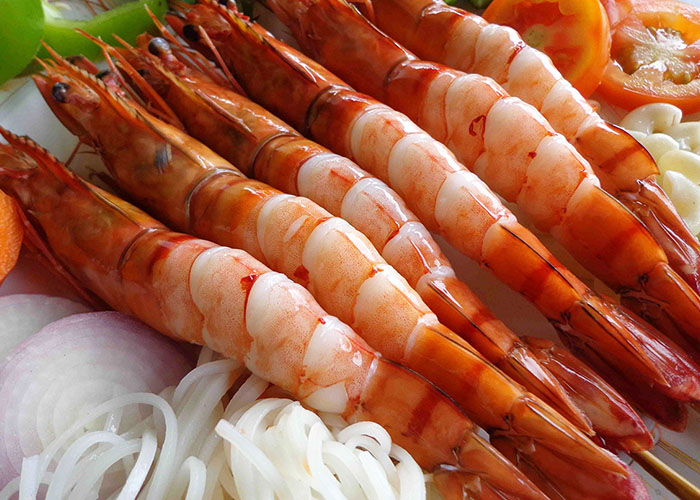
Mussels should be heavy and closed, prawns should have no black in their heads, long tentacles and no head droop. This means they should be firmly connected to the body. If they smell like ammonia do not purchase them. Oysters should be live, or if they are shucked, they should be plump and nearly translucent. A just-opened oyster contains a bit of water from the source. If the oysters are live then the fishmonger will only be able to buy them from clean waters.
Much smaller fish are neglected as people tend to opt for the larger ones when shopping. Ocean perch is beautiful whole when fried crisp and leather jacket trunks are great on the barbecue. Sole or flounder are beautiful, lightly flavoured and easily grilled. Bonito is an excellent fish — on the first day, it can even be used for sashimi, followed by a beautiful curry the next.
Definitely try bonito. This hot sour, peppery dish, ambul thial was originally developed as a way to preserve fish in the south of Sri Lanka and its a favourite. It is best to use any dense, oily fish such as bonito, tuna or mackerel. Handy tip: the best way to take skin off a fish is by moving the skin not the knife. Get the recipe here.
Not spending the time to discuss it with the fishmonger; not keeping it cool on the way home and then blaming the shop or the fish.
Overcooking it or making the sauce taste stronger than the fish.
Keep it chilled, use your seafood on the day of purchase and eat more of it!
© 2026 blufftonartsandseafoodfestival.site All rights reserved.